

WEBSITES
Not every website needs to accomplish the same thing. Some exist to attract new customers, others provide essential information, and some simply give individuals or organizations a place to share their ideas and connect with an audience.
Building an effective website starts with understanding its purpose. The tools, design, content, and navigation should support that purpose rather than complicate it. And while collaboration is valuable, too many competing opinions can quickly turn a straightforward project into something unnecessarily complex.
The following projects demonstrate different approaches to website design, from simple personal and small-business websites to larger organizational platforms. Each was built around the needs of its audience and the goals it was intended to accomplish.
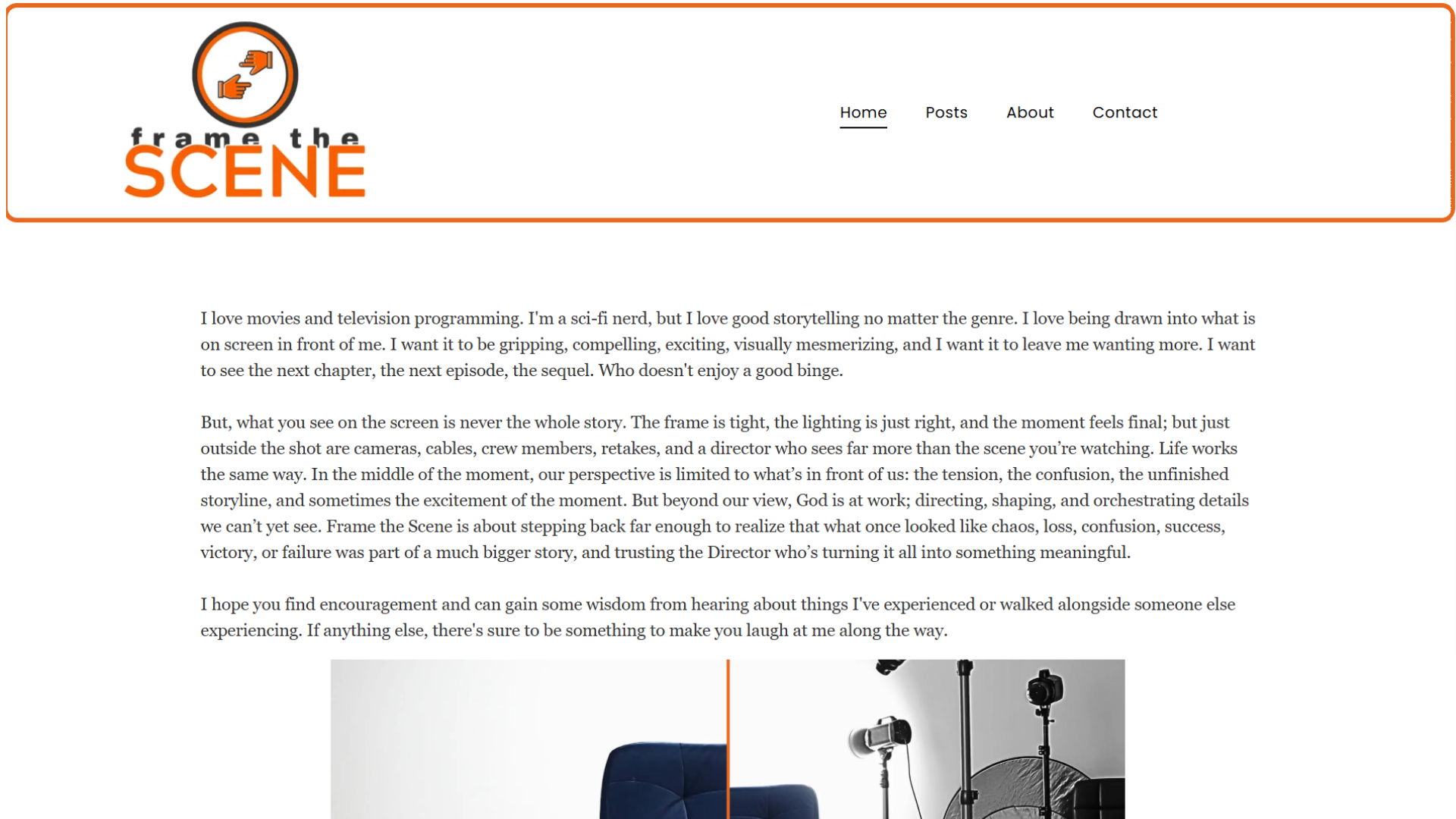
Sometimes a website exists simply to provide a place for ideas, experiences, and perspectives. I created my personal website to share lessons I've learned, stories from my experiences, and thoughts on the things that shape how I see the world.
The goal wasn't to build something complicated. It was to create a space where the writing and ideas could take center stage.
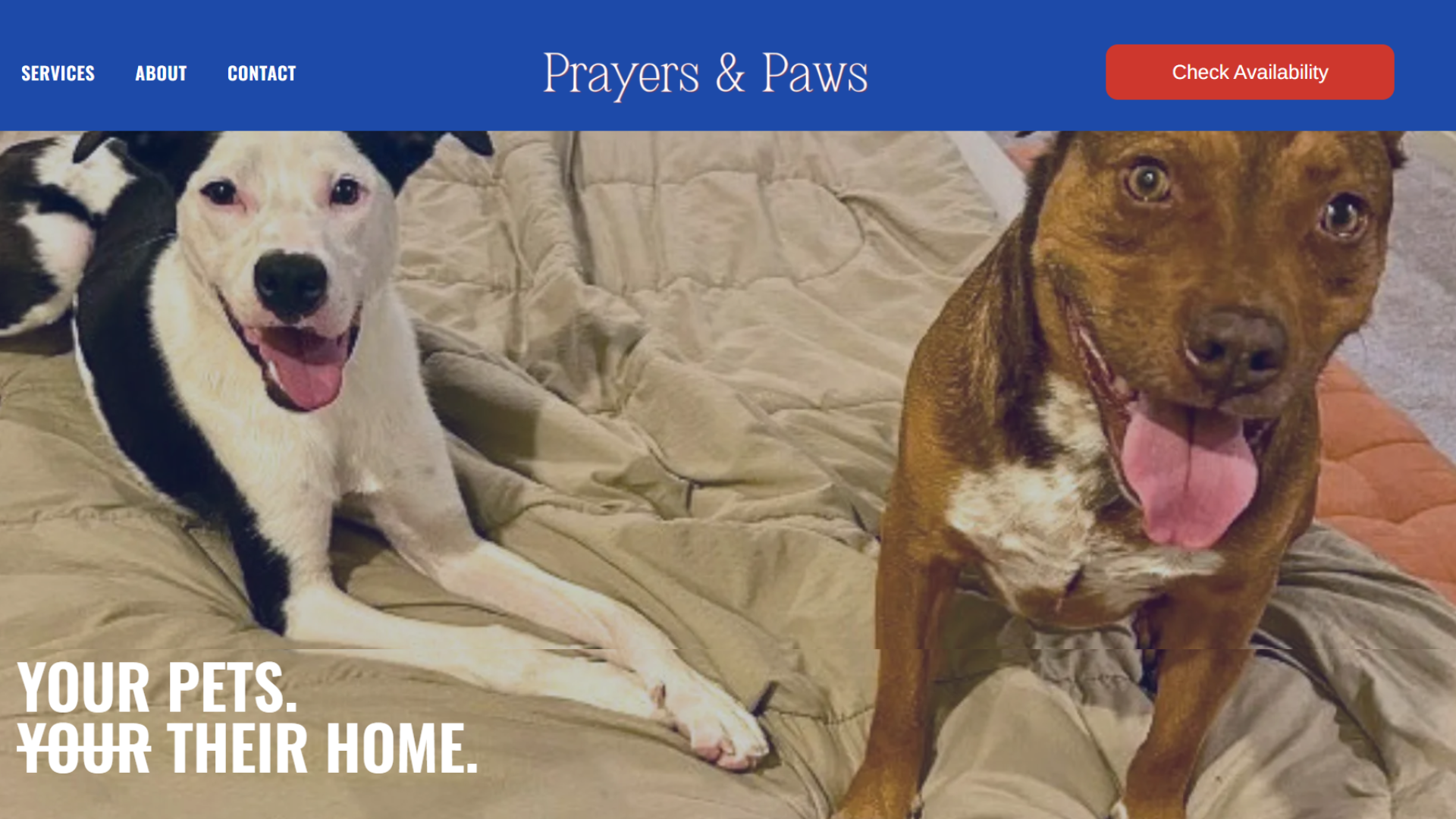
When my wife started offering pet care services, she needed a simple, approachable website that would help potential customers understand her services, review pricing, and get in touch.
This project demonstrates that an effective website doesn't have to be elaborate. Sometimes, establishing a professional online presence and making it easy for customers to connect is exactly what's needed.
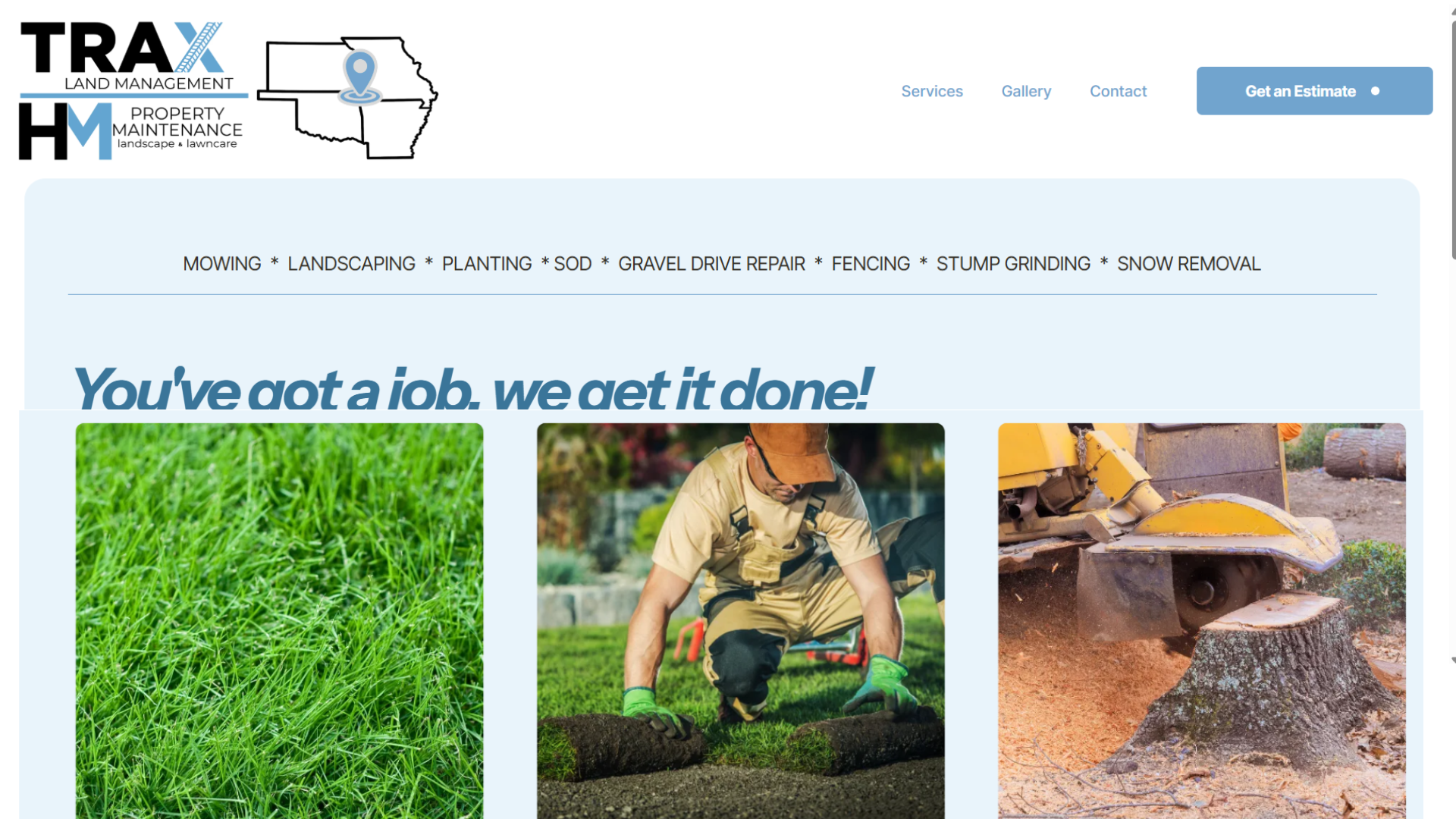
For some businesses, a website's most important job is to establish credibility. It gives potential customers a place to verify that the business exists, understand what it offers, and feel confident making contact.
This project focuses on creating a professional digital presence without introducing unnecessary complexity.
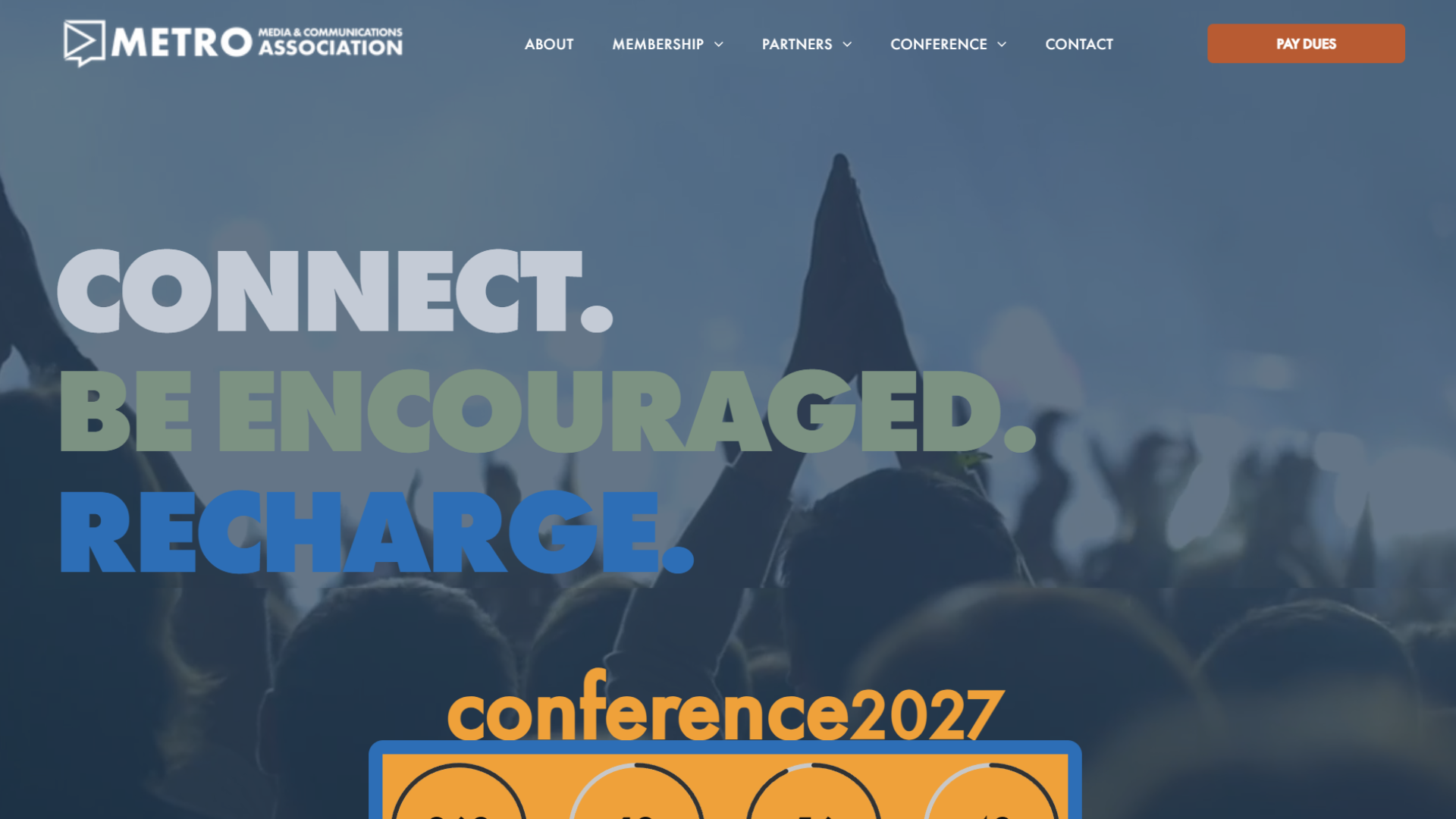
As a former president of the Metro Media & Communications Association (MMCA), I recognized that our website needed a significant refresh.
An association serving communications professionals should communicate clearly, look professional, and make information easy to find. The challenge was to create a digital experience that reflected the organization's expertise and provided members with a practical resource.
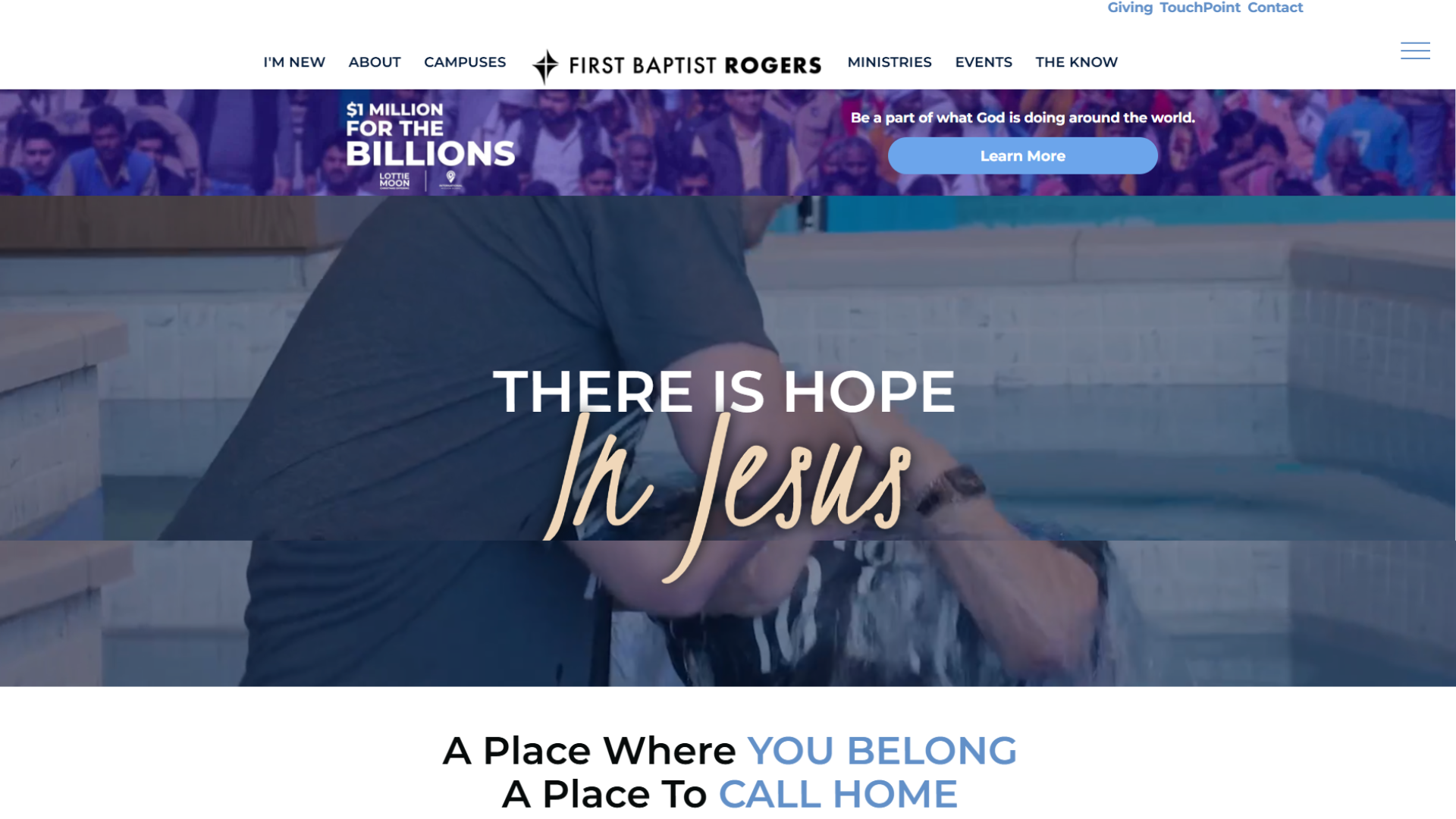
Developing the First Baptist Rogers website was a collaborative effort, but one guided by a clear objective: create an online experience that accurately represented the church.
We partnered with an outside company to help identify the church's identity and communication approach, ensuring the website reflected what visitors would actually experience in person.
The site was intentionally structured around essential, guest-friendly information, helping visitors understand what to expect, where to go, and how to connect. Events, registrations, and member resources were incorporated where appropriate without allowing constantly changing content to overwhelm the experience.
My responsibilities included website layouts, navigation, page graphics, backgrounds, buttons, and the adaptation of existing event artwork for use throughout the site.
The result was a website built around the needs of its visitors while remaining practical for the organization to maintain.